
Dr. Ashish Gupta Urology
Expert Urologist in Andheri, Mumbai
MBBS, MS (Gold Medal), MCh Urology — 15+ years treating kidney, prostate, bladder & male reproductive conditions with minimally invasive, laser-based procedures across 4 Mumbai hospitals.
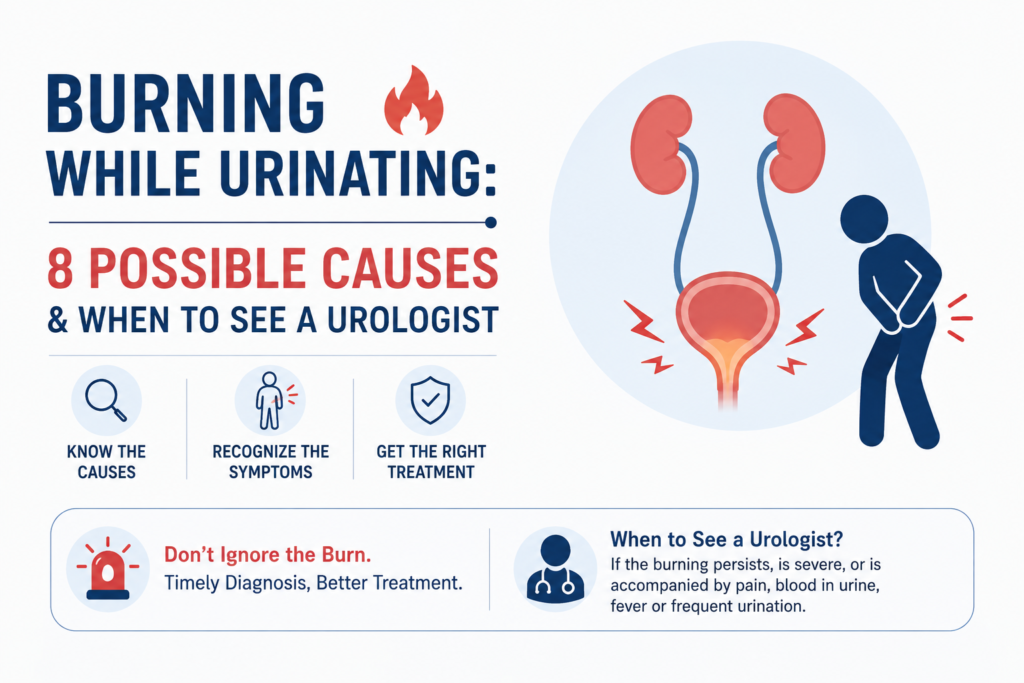
A burning sensation while urinating, medically known as dysuria, is a common symptom that can affect both men and women. Although it may sometimes result from temporary irritation or dehydration, persistent or severe burning during urination often indicates an underlying medical condition that requires professional evaluation. Ignoring this symptom can allow infections or other urological disorders to worsen, increasing the risk of complications. Understanding the possible causes, recognizing accompanying symptoms, and seeking timely medical attention are essential for maintaining good urinary health and preventing long-term problems.
What Does Burning While Urinating Mean?
Burning while urinating refers to pain, discomfort, or a stinging sensation that occurs before, during, or immediately after passing urine. This symptom can originate from the bladder, urethra, kidneys, or nearby reproductive organs. In many cases, the discomfort is caused by inflammation or infection within the urinary tract, although other medical conditions can also be responsible. The intensity may vary from mild irritation to severe pain, depending on the underlying cause.
Why Does Burning While Urinating Occur?
A burning sensation during urination usually develops when the lining of the urinary tract becomes inflamed or irritated. Bacterial infections are among the most common causes, but dehydration, kidney stones, sexually transmitted infections, bladder disorders, enlarged prostate, certain medications, and even chemical irritants from personal care products may also contribute. Identifying the exact cause is important because the appropriate treatment depends on the underlying condition rather than the symptom itself.
Urinary Tract Infection (UTI)
One of the leading causes of burning while urinating is a urinary tract infection. A UTI occurs when bacteria enter the urinary system and multiply, causing inflammation of the bladder or urethra. Individuals with a UTI often experience a persistent urge to urinate, frequent urination, cloudy or foul-smelling urine, pelvic discomfort, and sometimes blood in the urine. Prompt treatment with antibiotics prescribed by a healthcare professional usually resolves the infection and prevents it from spreading to the kidneys.
Kidney Stones
Kidney stones are hard mineral deposits that form inside the kidneys and may travel through the urinary tract. As a stone moves, it can irritate the urinary passages and cause intense burning during urination. This condition is often accompanied by severe pain in the side or lower back, nausea, vomiting, blood in the urine, and difficulty passing urine. Depending on the size of the stone, treatment may involve increased fluid intake, medication, shock wave therapy, ureteroscopy, or minimally invasive surgery.
Sexually Transmitted Infections (STIs)
Certain sexually transmitted infections, including chlamydia and gonorrhea, can cause painful or burning urination. These infections may also lead to abnormal discharge, genital irritation, pelvic pain, or discomfort during sexual activity. Early diagnosis and appropriate antibiotic treatment are important to prevent complications and reduce the risk of transmission to others.
Enlarged Prostate (Benign Prostatic Hyperplasia)
In men, an enlarged prostate gland can interfere with the normal flow of urine and cause irritation of the urinary tract. This condition becomes more common with increasing age and may cause burning during urination, difficulty starting urination, a weak urine stream, frequent nighttime urination, and the feeling that the bladder is not completely empty. A urologist can recommend medications or minimally invasive procedures to improve symptoms and restore normal urinary function.
Bladder Infections and Bladder Inflammation
Inflammation of the bladder, whether caused by bacterial infection or conditions such as interstitial cystitis, can result in painful urination. Patients often report pelvic pain, increased urinary frequency, urgency, and discomfort as the bladder fills. Treatment depends on the underlying cause and may include antibiotics, medications to reduce bladder irritation, dietary changes, or bladder training techniques.
Vaginal or Yeast Infections
Women with vaginal infections or yeast infections may experience burning during urination because inflamed tissues become irritated when urine passes over them. Additional symptoms often include itching, redness, unusual vaginal discharge, and discomfort around the vaginal area. Proper diagnosis is essential because bacterial infections, fungal infections, and sexually transmitted infections require different treatments.
Dehydration and Chemical Irritation
Not all cases of burning while urinating are caused by infections. Inadequate fluid intake can produce highly concentrated urine that irritates the urinary tract. Similarly, exposure to perfumed soaps, bubble baths, feminine hygiene products, spermicides, or certain detergents may trigger temporary irritation. Increasing water intake and avoiding potential irritants often help relieve symptoms in these situations.
Certain Medications and Medical Treatments
Some medications, including certain chemotherapy drugs and medicines that affect the urinary system, may cause irritation of the bladder or urinary tract. Radiation therapy to the pelvic region can also lead to inflammation that causes painful urination. If symptoms develop after starting a new medication or undergoing treatment, it is important to discuss them with your healthcare provider rather than stopping medication without medical advice.
What Other Symptoms May Occur Along with Burning While Urinating?
Burning during urination is often accompanied by other symptoms that can help identify the underlying condition. These may include frequent urination, an urgent need to urinate, cloudy or foul-smelling urine, blood in the urine, lower abdominal pain, flank pain, fever, chills, nausea, vomiting, abnormal genital discharge, or difficulty passing urine. The combination of symptoms provides valuable clues that assist the urologist in making an accurate diagnosis.
How Is Burning While Urinating Diagnosed?
Diagnosing the cause of painful urination begins with a detailed medical history and physical examination. A urologist may recommend urine analysis, urine culture, blood tests, ultrasound, CT scan, cystoscopy, or sexually transmitted infection screening depending on the patient’s symptoms and medical history. These investigations help determine whether the cause is infectious, inflammatory, structural, or related to another medical condition.
How Is Burning While Urinating Treated?
Treatment depends entirely on the underlying cause. Bacterial urinary tract infections are usually treated with antibiotics, while kidney stones may require medication or specialized procedures depending on their size and location. Sexually transmitted infections are managed with appropriate antimicrobial therapy, and enlarged prostate conditions may respond to medications or minimally invasive surgical techniques. When symptoms result from dehydration or chemical irritation, increasing fluid intake and avoiding irritating products are often sufficient. Because each condition requires a different approach, self-medication should be avoided, and treatment should always be guided by a qualified healthcare professional.
When Should You See a Urologist?
Although mild discomfort may occasionally resolve on its own, persistent burning while urinating should never be ignored. Medical evaluation is recommended if symptoms last longer than one or two days, recur frequently, or are accompanied by fever, chills, severe abdominal or back pain, blood in the urine, difficulty passing urine, persistent vomiting, or abnormal genital discharge. Pregnant women, older adults, individuals with diabetes, and patients with weakened immune systems should seek medical care promptly, as urinary infections may become serious if left untreated.
Can Burning While Urinating Be Prevented?
Maintaining good urinary health can reduce the risk of many conditions that cause painful urination. Drinking adequate amounts of water helps flush bacteria from the urinary tract and prevents highly concentrated urine from causing irritation. Practicing good personal hygiene, urinating after sexual activity, avoiding unnecessary use of scented hygiene products, maintaining safe sexual practices, managing chronic conditions such as diabetes, and attending regular health checkups all contribute to reducing the risk of urinary tract problems. A healthy lifestyle and early treatment of urinary symptoms play a significant role in preventing complications.
Frequently Asked Questions (FAQs)
- What is the most common cause of burning while urinating?
Urinary tract infections (UTIs) are among the most common causes of burning while urinating, although kidney stones, sexually transmitted infections, and bladder inflammation can also cause this symptom.
- Can dehydration cause burning while urinating?
Yes. Dehydration can make urine more concentrated, which may irritate the urinary tract and cause a temporary burning sensation.
- Should I see a doctor if burning while urinating lasts for more than two days?
Yes. Persistent or worsening symptoms should be evaluated by a healthcare professional to determine the underlying cause and begin appropriate treatment.
- Is burning while urinating always caused by an infection?
No. While infections are common, kidney stones, enlarged prostate, chemical irritation, medications, and certain medical conditions can also cause painful urination.
- How can I prevent burning while urinating?
Staying hydrated, maintaining good personal hygiene, practicing safe sex, avoiding irritating hygiene products, and seeking early treatment for urinary symptoms can help reduce the risk.
- Why does it burn when I urinate?
Burning during urination can result from urinary tract infections, kidney stones, sexually transmitted infections, bladder inflammation, dehydration, or irritation from personal care products. - Can kidney stones cause burning while urinating?
Yes. As kidney stones move through the urinary tract, they can irritate the lining and cause pain or burning while passing urine. - When should I worry about painful urination?
You should seek medical attention if burning while urinating is severe, lasts more than two days, recurs frequently, or is associated with fever, blood in the urine, severe pain, or difficulty urinating. - How is burning while urinating treated?
Treatment depends on the cause and may include antibiotics for infections, medications or procedures for kidney stones, treatment for sexually transmitted infections, or lifestyle changes for irritation-related symptoms. - Which doctor should I consult for burning while urinating?
A urologist is the specialist who diagnoses and treats conditions affecting the urinary tract and can identify the underlying cause of painful urination.